
Virtual Cloud: Mastering the Evolution of Virtualized Digital Infrastructure
Cloud computing continues to evolve at a relentless pace, with virtual cloud infrastructure establishing itself as a foundational pillar for modern enterprise IT. Whether an organization aims to scale operations globally or an independent developer seeks agile development resources, virtual cloud solutions offer unmatched adaptability. By decoupling computing workloads from physical hardware limitations through advanced virtualization, this ecosystem transforms how companies store data, run software, and deploy applications.
This comprehensive guide explores the structural mechanics, operational models, security advantages, and practical applications of virtual cloud technology in today’s fast-moving digital economy.
Understanding Virtual Cloud Infrastructure
Defining the Virtual Cloud Concept
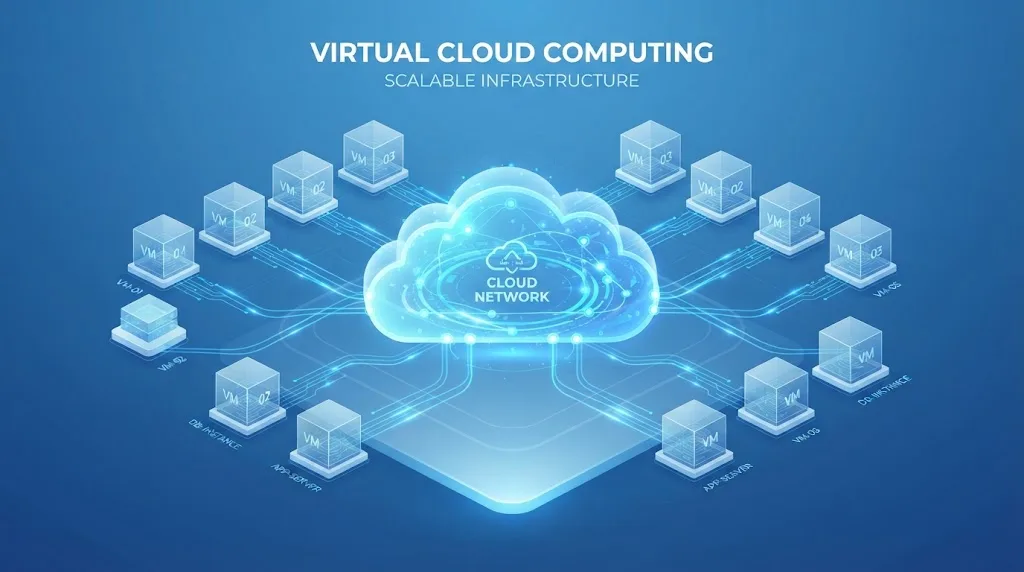
At its core, a virtual cloud refers to an operational computing environment built entirely upon virtualized computational assets—including virtual servers, scalable storage pools, and isolated networks. Unlike traditional IT setups bound to dedicated physical hardware, a virtual cloud abstracts the physical layer using hypervisors, creating dynamic virtual instances that maximize overall hardware efficiency.
How Virtualization Powers the Cloud
The operational mechanics rely on software abstraction. Virtual machines (VMs) function as independent, self-contained operating systems running concurrently on shared physical infrastructure. This isolation ensures that multiple distinct workloads execute on the same machine without interfering with each other’s performance or security parameters.
Strategic Advantages of Virtual Cloud Solutions
Unmatched Scalability and Agility
A primary driver behind virtual cloud adoption is frictionless elasticity. As organizational demands fluctuate, IT administrators can provision new virtual machines, allocate additional CPU cores, or expand storage capacity instantly without acquiring new physical hardware.
Optimized Cost-Effectiveness
By eliminating the heavy capital expenses associated with purchasing and housing physical servers, businesses transition to a predictable operational expenditure model. Shared resource allocation ensures that organizations pay exclusively for the precise computing capacity consumed.
Advanced Security and Disaster Redundancy
Virtual cloud environments integrate multi-layered security protocols, including encrypted data transmission, virtual firewalls, and strict access controls. Furthermore, automated backup replication ensures rapid disaster recovery and business continuity during unforeseen system anomalies.
Primary Categories of Virtual Cloud Deployments
Public Virtual Cloud Environments
Operated by third-party infrastructure giants, public virtual clouds pool multi-tenant resources to deliver affordable, highly scalable computing power accessible over the internet.
Private Virtual Cloud Frameworks
Dedicated exclusively to a single enterprise, private virtual clouds offer maximum privacy, strict compliance alignment, and granular control over computational resources.
Hybrid Virtual Cloud Strategies
By bridging public and private virtual frameworks, organizations can seamlessly shift non-critical tasks to public nodes while maintaining sensitive databases within secure private domains.
Transforming Enterprise Operations
Empowering Remote Workforce Collaboration
Virtual cloud infrastructure enables organizations to deploy virtual desktops and cloud-native applications, allowing globally distributed teams to access secure corporate resources from any location.
Accelerating Enterprise Application Performance
Complex software architectures—such as enterprise resource planning (ERP) platforms and customer relationship management (CRM) tools—run with exceptional speed and reliability when hosted on virtualized cloud clusters.
Conclusion
The virtual cloud represents a monumental leap forward in efficient digital infrastructure management. By delivering superior scalability, cost optimization, and robust data protection, it provides the ideal framework for modern enterprises seeking long-term resilience and technological leadership.
Frequently Asked Questions (FAQs)
- What is the primary difference between a virtual cloud and traditional cloud services?
- Virtual clouds leverage advanced hypervisor virtualization to abstract physical hardware into independent, highly customizable virtual instances, offering greater flexibility.
- Is virtual cloud infrastructure secure for sensitive enterprise data?
- Yes, providers utilize robust data encryption, secure access controls, virtual firewalls, and redundant backups to maintain high security standards.
- Are virtual cloud solutions suitable for growing small businesses?
- Absolutely. Their pay-as-you-go pricing model and scalable architecture make virtual clouds an ideal, cost-effective choice for businesses of all sizes.
- What are the main benefits of adopting a private virtual cloud?
- Private virtual clouds deliver enhanced resource control, strict regulatory compliance support, and isolated operational security for sensitive workloads.
- What criteria should guide the selection of a virtual cloud provider?
- Key evaluation factors include platform reliability, security features, pricing transparency, global scalability, and technical customer support quality.