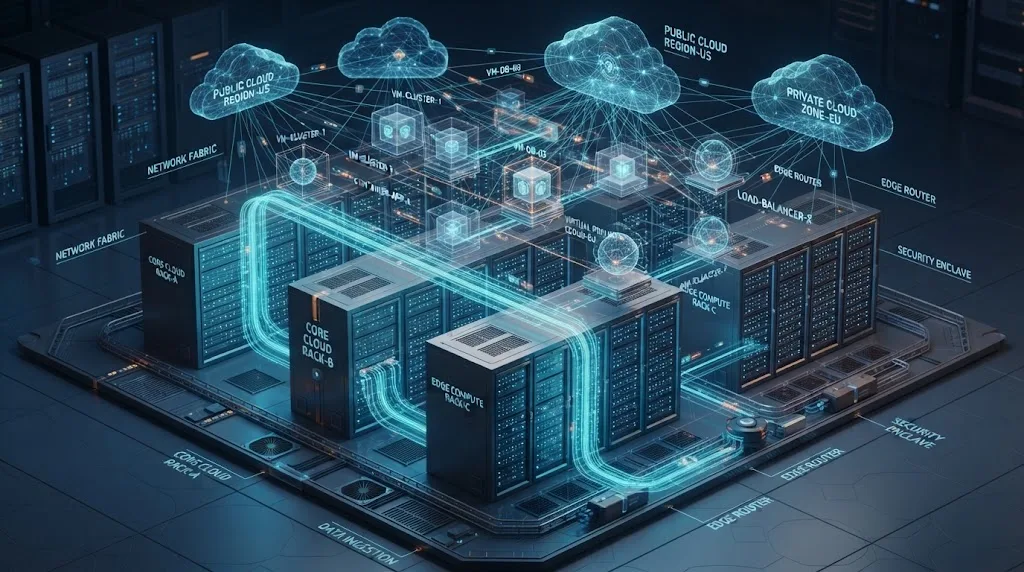
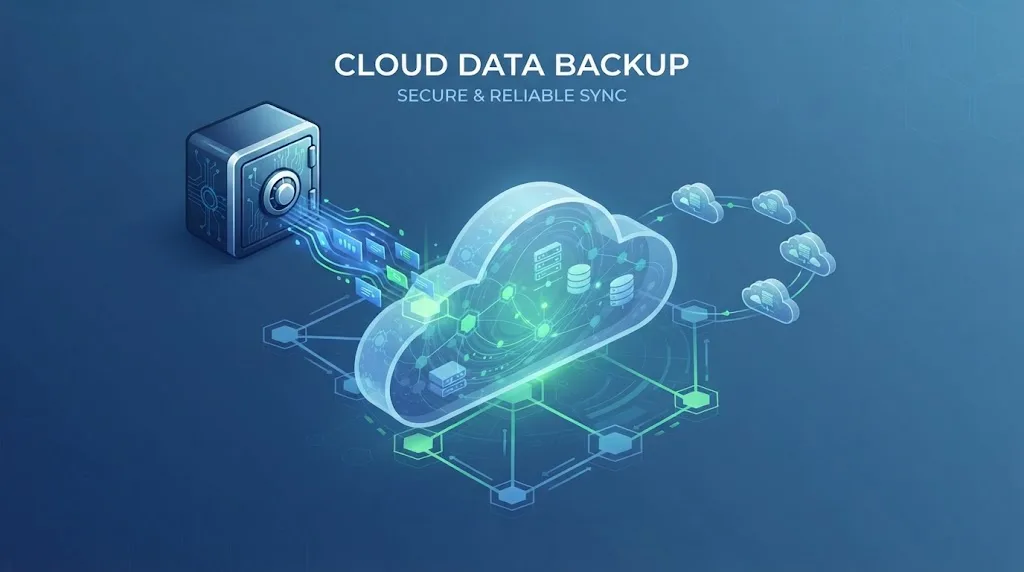
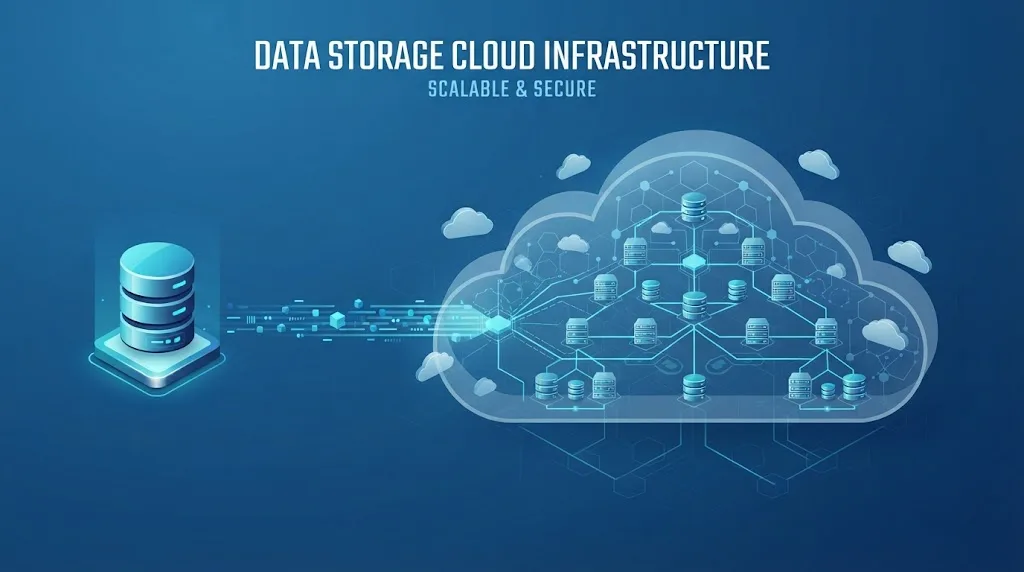
Cloud Computing Consulting

Cloud Computing Consulting: The Ultimate Guide to Expert IT Strategy

Cloud computing has fundamentally transformed how modern enterprises operate by introducing scalable, cost-efficient, and highly flexible digital infrastructures. However, realizing the true potential of cloud transformation requires more than just migrating workloads; it demands precise strategy, technical foresight, and specialized expertise. This is where professional cloud computing consulting becomes an indispensable asset for organizations aiming to stay competitive in a tech-driven marketplace.

By partnering with seasoned industry experts, companies can successfully bypass common technological pitfalls, align their software infrastructure with long-term commercial goals, and optimize overall operational performance.

What is Cloud Computing Consulting?

Defining Cloud Computing Consulting

At its core, cloud computing consulting encompasses expert advisory services designed to help organizations transition to, manage, and optimize cloud-based ecosystems. Consultants conduct deep infrastructure audits, recommend tailored software solutions, and architect seamless integration pathways that merge modern cloud frameworks with legacy systems.

The Core Responsibilities of Cloud Consultants

Cloud consultants act as strategic navigators across the vast and complex landscape of modern technology. Their responsibilities span from designing initial cloud deployment roadmaps to overseeing complex data migrations and continuous performance management. Through bespoke advisory services, they empower internal teams to leverage advanced cloud architectures, scalable storage resources, and dynamic application environments without administrative friction.

Why Your Enterprise Needs Cloud Consulting

Driving Efficiency and Maximizing Cost Savings

While cloud adoption inherently reduces hardware expenditure, deploying resources without a cohesive blueprint often leads to unexpected cloud sprawl and wasted capital. Professional consultants carefully analyze expenditure patterns, eliminate redundant workflows, and reallocate resources to maximize financial return on investment (ROI).

Ensuring Seamless Integration and Architecture Alignment

Migrating enterprise workloads is rarely straightforward. Friction often occurs when bridging legacy systems with cutting-edge cloud networks. Expert consultants ensure smooth integration across diverse environments, whether your objective involves setting up high-performance server cloud structures or implementing secure data storage cloud systems.

Selecting the Ideal Cloud Ecosystem

Navigating the offerings of major providers can be overwhelming. Whether evaluating a public infrastructure, a secure private cloud, or a hybrid environment, professional advisors help match your exact performance requirements, compliance mandates, and budgetary constraints with the right architecture.

Core Services Delivered by Cloud Consultants

Strategic Cloud Roadmap Development

A structured roadmap is the foundation of any successful digital transformation. Consultants collaborate with internal stakeholders to design comprehensive phase-by-phase adoption plans, ensuring that every technological upgrade directly supports core business objectives.

Frictionless Cloud Migration Execution

Moving massive repositories of enterprise data requires meticulous planning to prevent operational downtime. Consultants oversee end-to-end migration processes, safeguarding critical assets whether transitioning to localized virtual servers or distributed cloud networks.

Robust Security and Compliance Frameworks

Data privacy remains a primary concern for modern enterprises. Consultants establish rigorous defense protocols, ensuring that your digital assets comply with global regulatory standards while mitigating vulnerabilities across all operational layers.

Strategic Benefits of Professional Guidance

Unmatched Scalability and Operational Flexibility

With an agile infrastructure tailored by experts, businesses can rapidly scale computing resources up or down based on real-time market demands, ensuring optimal performance during peak traffic periods without overspending.

Enhanced Business Continuity and Disaster Recovery

Unforeseen hardware failures or cyber threats can paralyze unprepared organizations. Cloud consulting services establish automated backup protocols, redundant failover systems, and swift recovery strategies to guarantee uninterrupted business operations.

The Future of Cloud Consulting: AI and Emerging Trends

As digital environments evolve, cloud consulting continues to incorporate cutting-edge innovations such as artificial intelligence, automated workload forecasting, and edge computing. These technologies enable proactive infrastructure management, allowing automated algorithms to optimize resource allocation and anticipate maintenance needs before issues arise.

Conclusion

Investing in professional cloud computing consulting is vital for organizations seeking long-term resilience, security, and financial efficiency in a digital-first world. By utilizing expert insights and strategic engineering, businesses can unlock the full power of modern cloud technologies while maintaining a distinct competitive edge.

media 1
media 1


Frequently Asked Questions (FAQs)

  1. What does a cloud computing consulting engagement typically involve?
    • It involves strategic planning, architecture design, migration execution, and continuous optimization of cloud resources tailored to specific business needs.
  2. Why should a company hire an external cloud consultant?
    • External consultants bring specialized industry experience, reduce costly migration mistakes, accelerate time-to-market, and optimize long-term cloud expenditure.
  3. How do cloud consultants improve operational efficiency?
    • By auditing existing infrastructures, eliminating resource bottlenecks, and streamlining software deployment workflows to maximize overall productivity.
  4. What key services do cloud consulting firms provide?
    • Primary services include roadmap strategy formulation, data migration, security compliance hardening, and hybrid cloud architecture management.
  5. How do I choose the right cloud consulting partner?
    • Evaluate prospective firms based on their technical certifications, historical migration success rates, industry reputation, and alignment with your business goals.
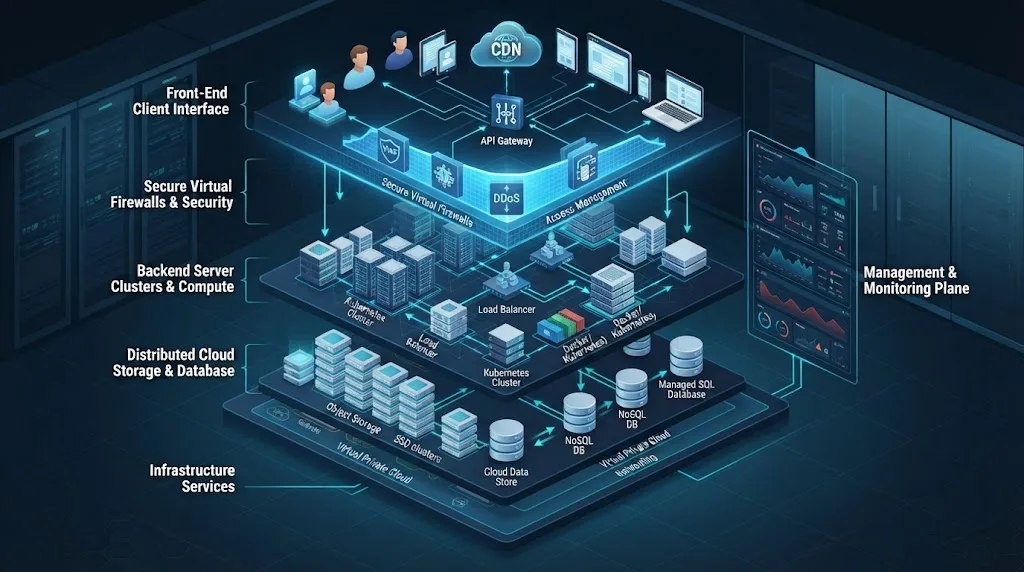
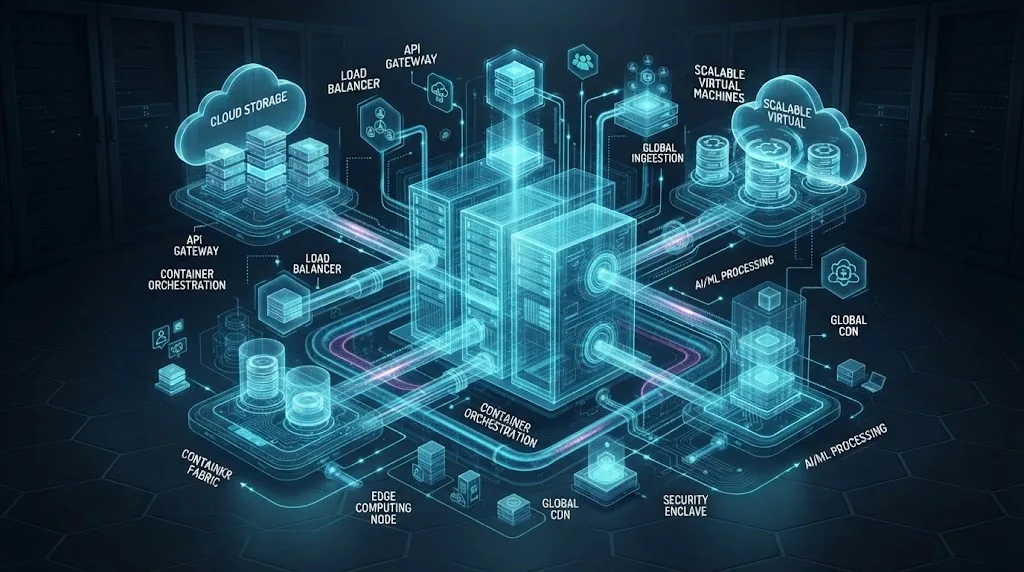
Cloud Computing Architecture

Cloud Computing Architecture: The Backbone of Modern Digital Infrastructure

As modern enterprises increasingly migrate their operational workloads, software environments, and sensitive data to remote infrastructures, the underlying digital framework becomes critical. At the core of this technological shift lies cloud computing architecture. Without a meticulously engineered architectural foundation, the core advantages of cloud ecosystems—such as dynamic scalability, structural flexibility, and on-demand resource provisioning—would remain entirely unattainable. This comprehensive guide explores the structural anatomy, key components, operational models, and future trajectory of cloud computing architecture.

Understanding this architecture is vital for organizations seeking to optimize performance, harden security parameters, and harness cutting-edge technology to drive sustainable growth.

What is Cloud Computing Architecture?

Defining the Structural Framework

At its technical core, cloud computing architecture describes the meticulously organized layout of hardware components, network configurations, operating systems, and middleware that collectively deliver seamless cloud services. Acting as the blueprint for digital transformation, this architecture ensures that disparate systems—ranging from virtualized servers to advanced distributed databases—interoperate efficiently and securely.

The Core Function of Structural Design

The architecture serves as the operational engine supporting modern software solutions and decentralized applications. By abstracting physical hardware constraints, it allows engineers to deploy, manage, and scale applications remotely, ensuring uninterrupted business performance across global networks.

Key Components of Cloud Computing Architecture

Front-End and Back-End Synergy

Cloud systems are conceptually divided into two primary tiers:

  • The Front-End: Encompasses client-facing interfaces, web browsers, and user-friendly mobile applications that enable end-users to interact with the cloud environment.
  • The Back-End: Functions as the heavy-lifting engine, consisting of powerful data servers, centralized databases, and auxiliary software repositories that process, analyze, and store data securely.

Advanced Cloud Storage Systems

Scalable cloud storage eliminates the financial and logistical burden of maintaining physical hard drives on-premises. By distributing information across fault-tolerant server clusters, organizations achieve high durability and rapid data retrieval speeds.

Comprehensive Cloud Service Models

Modular service layers form the backbone of the architecture, categorized primarily into Infrastructure-as-a-Service (IaaS), Platform-as-a-Service (PaaS), and Software-as-a-Service (SaaS). These layers allow development teams to build, test, and run applications without managing underlying hardware.

Architectural Models: Public, Private, and Hybrid

Public Cloud Infrastructure

In a public model, third-party providers own and maintain all computing hardware, delivering shared resources over public networks. This model offers high cost-efficiency and rapid deployment capabilities for rapidly scaling organizations.

Private Cloud Environments

Dedicated entirely to a single enterprise, private architectures offer maximum control, isolation, and custom security configurations. They are heavily utilized by institutions dealing with stringent regulatory mandates, such as financial establishments and healthcare providers.

Hybrid Cloud Strategies

A hybrid configuration bridges public and private environments, allowing workloads to move fluidly between them based on security needs, performance demands, and cost considerations.

Ensuring Security and High Performance

Robust Security Frameworks

Safeguarding data integrity requires multi-layered defense mechanisms. Modern architectures integrate advanced encryption protocols, granular access control lists, network firewalls, and automated disaster recovery backups to mitigate cyber threats.

Performance Optimization and Load Balancing

By distributing incoming computational workloads across multiple server nodes, cloud architectures prevent bottlenecks, guaranteeing high availability and reliability even during traffic spikes.

Future Horizons in Cloud Architecture

The evolution of cloud frameworks continues to accelerate with the integration of edge computing and artificial intelligence. Edge computing processes data closer to the source of generation to reduce latency, while artificial intelligence algorithms optimize real-time resource allocation and automated maintenance workflows.

Conclusion

Cloud computing architecture represents the invisible engine propelling digital innovation forward. By delivering unmatched scalability, stringent security, and flexible operational frameworks, it empowers modern enterprises to thrive in an increasingly competitive technological landscape.

media 2
media 2

Frequently Asked Questions (FAQs)

  1. What is cloud computing architecture?
    • It is the structured arrangement of hardware, networks, and software components that work together to deliver reliable cloud services.
  2. What are the primary cloud architectural models?
    • The three primary models are public clouds, private clouds, and hybrid configurations, each serving distinct operational and security needs.
  3. Why is scalability crucial in cloud design?
    • Scalability allows organizations to dynamically adjust computing power and storage capacity in response to real-time workload demands.
  4. How does the architecture maintain data security?
    • It employs end-to-end encryption, strict user authentication, perimeter firewalls, and redundant backup systems to prevent data loss.
  5. What role do emerging technologies play in future cloud architectures?
    • Technologies like artificial intelligence and edge computing optimize automated resource management, reduce latency, and enhance real-time data processing.

Cloud Computing Technology

Cloud Computing Technology: The Digital Engine of Modern Innovation

The rapid acceleration of cloud computing technology has completely redefined how global enterprises and individual users manage, process, and archive critical digital data. By decoupling enterprise applications from on-premises hardware limitations, this paradigm shift has democratized access to enterprise-grade computing. Understanding the foundational layers, service configurations, and security protocols of modern technology is crucial for organizations striving to maintain a competitive advantage in an increasingly connected digital ecosystem.

This comprehensive overview explores the structural core of cloud ecosystems, their operational benefits, security frameworks, and their transformative impact on emerging digital trends.

What is Cloud Computing Technology?

Demystifying Core Cloud Operations

At its core, cloud computing technology involves the on-demand delivery of diverse computing services—including processing servers, data storage, networking modules, and complex software environments—over the internet. Rather than investing heavily in physical hardware data centers, organizations leverage scalable infrastructure supplied by leading providers like Amazon Web Services (AWS), Microsoft Azure, and Google Cloud, adopting an agile pay-as-you-go financial model.

The Underlying Operational Mechanics

Cloud systems operate through massive networks of remote data centers dispersed across strategic global regions. When users execute commands or access applications, computational requests are processed on these centralized server clusters, with results transmitted back instantly over secure network connections. This framework eliminates capital-intensive hardware maintenance.

Essential Components of Cloud Infrastructures

Advanced Cloud Storage Systems

Scalable cloud storage replaces traditional local hard drives and legacy servers. By distributing digital assets across fault-tolerant server nodes, solutions like cloud-backed directories enable secure file retrieval from any location globally.

Virtual Server Environments

Cloud servers replicate physical server execution through software virtualization. These virtual private configurations allow organizations to dynamically provision computing power without hardware constraints.

Decentralized Software Ecosystems

Modern applications run natively on cloud frameworks, allowing multidisciplinary teams to access shared tools, collaborative documents, and enterprise resource planning software simultaneously.

Strategic Advantages of Cloud Infrastructure

Dynamic Scalability and Operational Agility

The primary driver behind cloud adoption is its inherent elasticity. Organizations can instantly scale storage or computational bandwidth up or down with minimal administrative friction, adapting effortlessly to unexpected market shifts.

Financial Efficiency and Cost Optimization

By transitioning from capital expenditure (CapEx) models to operational expenditure (OpEx) frameworks, businesses drastically reduce expenditures related to hardware maintenance, cooling systems, and physical floor space.

Enhanced Team Collaboration

Cloud-hosted environments empower remote workforces by providing real-time synchronization across distributed teams, streamlining project execution and communication workflows.

Architectural Models: Public, Private, and Hybrid

Public Infrastructure Models

Owned and maintained by third-party vendors, public models pool multi-tenant computational resources to deliver high cost-efficiency and rapid deployment.

Dedicated Private Environments

Tailored exclusively for a single organization, private models provide maximum security isolation and custom compliance configurations for sensitive operations.

Hybrid Cloud Synergy

Hybrid setups bridge public and private networks, ensuring sensitive operational data remains secure while non-critical workloads scale dynamically on public clouds.

Security, Privacy, and Compliance Frameworks

Advanced Data Protection and Encryption

To safeguard information against unauthorized interception, top-tier cloud providers implement robust encryption standards for data both in transit and at rest, coupled with strict multi-factor authentication (MFA) protocols.

Navigating Privacy Challenges

Although cloud systems offer high reliability, ensuring compliance with global data privacy frameworks requires meticulous vetting of vendor security policies and disaster recovery redundancies.

Shaping the Future of Digital Solutions

Synergy with Artificial Intelligence

Cloud infrastructure serves as the computational powerhouse for modern artificial intelligence and machine learning algorithms, enabling real-time big data processing and automated predictive analytics.

Internet of Things (IoT) Integration

The explosive growth of interconnected IoT devices relies entirely on cloud databases to store, clean, and analyze high-volume telemetry streams instantaneously.

Conclusion

Cloud computing technology is much more than a temporary digital trend; it forms the bedrock of modern technological progress. By delivering unmatched scalability, cost efficiency, and robust security architecture, it continues to empower businesses worldwide to innovate faster and operate smarter.

media 3
media 3

Frequently Asked Questions (FAQs)

  1. What is cloud computing technology?
    • It is the on-demand delivery of hosted computing services, including servers, storage, and software applications, over internet networks.
  2. How do cloud systems function behind the scenes?
    • They utilize global networks of remote data centers to process user workloads and store data, eliminating local hardware dependencies.
  3. What are the primary cloud deployment models?
    • The three primary configurations are public, private, and hybrid clouds, each tailored to specific security and scalability requirements.
  4. How secure are modern cloud computing environments?
    • They feature multi-layered defenses, including robust data encryption, identity management, and strict access control protocols.
  5. What impact does cloud technology have on business growth?
    • It streamlines operational expenditures, enhances global team collaboration, and accelerates the adoption of advanced technologies like AI and IoT.

Server Cloud

Server Cloud: The Ultimate Blueprint for Scalable Virtual Infrastructure

The global computing landscape has undergone a profound paradigm shift, migrating away from rigid, expensive physical hardware towards agile and responsive digital environments. At the center of this structural evolution sits the server cloud, a transformative technology enabling enterprises and independent creators to provision, configure, and manage virtualized server nodes entirely over the internet. Eliminating the maintenance burdens of on-premises hardware, server cloud architectures empower organizations to scale operations dynamically, optimize expenditure, and ensure maximum application uptime.

This comprehensive guide explores the mechanics, structural variants, core capabilities, and strategic advantages of server cloud infrastructure in today’s fast-paced digital ecosystem.

Introduction to Server Cloud

Defining Server Cloud Infrastructure

At its technical foundation, a server cloud delivers scalable, on-demand computational capacity via internet-hosted virtual environments. Rather than acquiring, housing, and continually upgrading physical servers, organizations rent isolated virtual machines through specialized cloud service providers. These virtualized instances replicate the exact performance capabilities of dedicated hardware while adding unmatched flexibility and speed of deployment.

Why Modern Enterprises Bypass Traditional Servers

Legacy server architecture demands heavy capital outlays for hardware purchases, continuous cooling infrastructure, physical real estate, and specialized on-site IT personnel. In contrast, server cloud platforms operate on an agile financial model. Businesses eliminate physical upkeep headaches, deploying new server resources instantly through automated software dashboards.

Core Benefits of Server Cloud Deployment

Dynamic Scalability and Operational Agility

A primary driver for adopting server cloud models is frictionless scalability. When traffic spikes or computational demands surge, organizations can allocate additional processor cores or memory assets with just a few clicks, preventing performance degradation.

Extreme Cost-Effectiveness

Moving from capital expenditure (CapEx) to operational expenditure (OpEx) models ensures businesses only pay for the precise resources consumed. This pay-as-you-go financial structure protects startups and established enterprises alike from over-provisioning waste.

High Availability and Disaster Resilience

Enterprise-grade server cloud solutions integrate multi-region redundancies and failover protocols. If a physical node encounters a hardware fault, virtual instances automatically migrate to healthy clusters, guaranteeing continuous service availability.

Primary Categories of Server Clouds

Public Server Clouds

Hosted and maintained by industry giants such as Amazon Web Services, Microsoft Azure, and Google Cloud, public instances pool multi-tenant hardware assets to provide exceptional cost-efficiency and rapid scalability.

Private Server Environments

Dedicated exclusively to a single organization, private server setups offer rigorous security isolation and complete configuration control. They are heavily favored by entities bound by strict compliance frameworks, such as financial institutions.

Hybrid Server Configurations

Hybrid solutions bridge public and private networks, allowing sensitive databases to remain secure on private hardware while transient web workloads scale seamlessly across public cloud clusters.

Essential Features of Advanced Server Clouds

Advanced Server Virtualization

Virtualization technology acts as the core engine behind cloud servers, allowing hypervisors to run multiple independent operating system environments concurrently on a single physical machine, maximizing hardware utilization.

Complete Remote Management Control

Administrators manage entire server fleets remotely via intuitive web-based consoles or programmatic APIs. Real-time health metrics, automated performance logging, and instantaneous debugging tools simplify infrastructure oversight.

Multi-Layered Security Protocols

To defend against external threats, server cloud providers implement end-to-end data encryption, customizable perimeter firewalls, role-based access controls, and mandatory multi-factor authentication (MFA).

Primary Use Cases for Server Clouds

High-Performance Web and Application Hosting

Server clouds provide the resilient processing power required to host mission-critical websites and complex web applications, scaling instantly to absorb unexpected traffic surges.

Automated Backup and Disaster Recovery

By leveraging cloud infrastructure for backup replication, organizations ensure that critical system images and database snapshots remain safe from local hardware failures or malicious ransomware attacks.

Conclusion

The server cloud has cemented its place as an indispensable pillar of modern IT infrastructure. By delivering superior scalability, cost efficiency, and automated reliability, it frees businesses from the logistical constraints of physical hardware management. Selecting the right cloud model and provider ensures long-term operational resilience in a competitive digital landscape.

media 4
media 4


Frequently Asked Questions (FAQs)

  1. What is the primary advantage of utilizing a server cloud?
    • The foremost advantages include instant scalability, reduced hardware expenditure, and the elimination of physical maintenance burdens.
  2. What deployment models exist for cloud servers?
    • Cloud servers are typically categorized into public, private, and hybrid models, balancing cost, control, and security differently.
  3. How does virtualization operate within a server cloud?
    • Virtualization utilizes hypervisors to partition physical hardware into multiple isolated virtual servers, optimizing resource efficiency.
  4. Are cloud servers safer than physical on-premise hardware?
    • They feature advanced built-in security architecture, though maintaining overall data protection still requires diligent configuration and access management.
  5. What criteria matter most when selecting a server cloud provider?
    • Key criteria include uptime guarantees, network speed, security compliance certifications, pricing flexibility, and technical support quality.

Cloud Computing Security

Cloud Computing Security: Safeguarding Digital Assets in Modern Cloud Ecosystems

As global enterprises accelerate their digital transformation by migrating vital data, computational workloads, and complex software environments to remote environments, securing these digital assets has become an absolute priority. Cloud computing security encompasses a comprehensive set of policies, advanced technologies, compliance frameworks, and controls designed to protect data, applications, and infrastructure across cloud networks. Unlike traditional perimeter-based IT models, cloud security requires a shared responsibility paradigm where both the provider and the enterprise play crucial roles in maintaining defense integrity.

This comprehensive guide explores the core principles, threat vectors, defense architectures, and best practices that define robust security in modern cloud infrastructures.

Understanding Cloud Computing Security

The Shared Responsibility Model

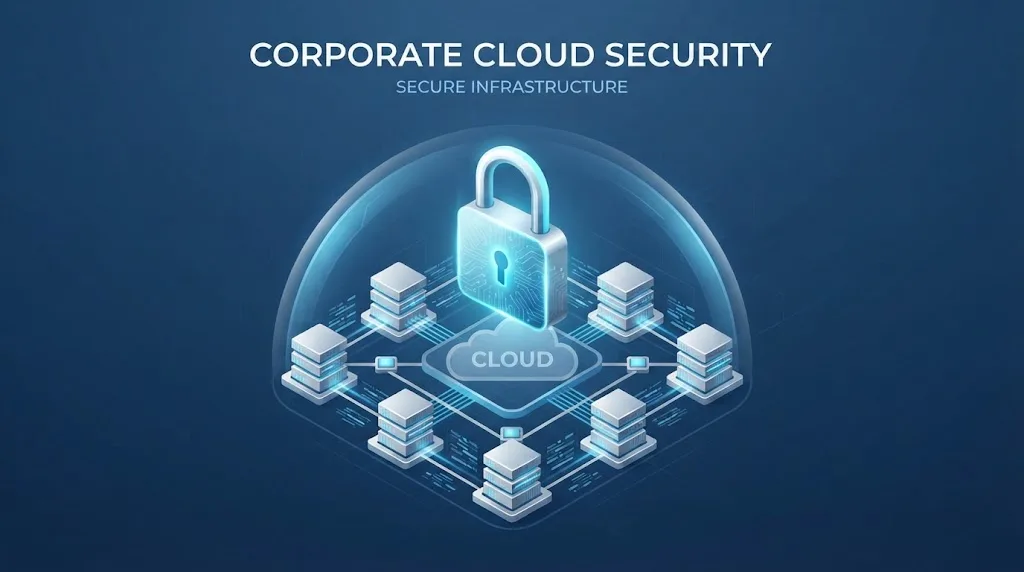
At the heart of cloud computing security is the shared responsibility model. Cloud providers—such as AWS, Microsoft Azure, and Google Cloud—are responsible for securing the underlying host infrastructure (physical data centers, hardware, networking, and virtualization layers). Conversely, the customer remains entirely responsible for securing their data, operating systems, network configurations, identity credentials, and application-level code.

Why Traditional Security Fails in the Cloud

Legacy cybersecurity measures rely heavily on physical perimeter defenses, such as localized corporate firewalls and locked server rooms. Because cloud architectures are decentralized, dynamic, and accessible globally over the internet, security strategies must evolve to incorporate software-defined perimeters, zero-trust frameworks, and continuous real-time monitoring.

Core Pillars of Cloud Security

Data Encryption and Protection

Protecting sensitive information requires rigorous cryptographic controls. Cloud environments implement end-to-end data encryption across two critical states:

  • Data in Transit: Encrypted using advanced protocols (like TLS/SSL) as information moves between user devices, application nodes, and remote servers.
  • Data at Rest: Protected using robust AES-256 encryption algorithms while stored within databases, object storage buckets, or virtual drives.

Identity and Access Management (IAM)

Identity is the new security perimeter. Implementing granular IAM policies ensures that only authenticated and authorized users or processes can access specific cloud resources. Mandatory multi-factor authentication (MFA) and the principle of least privilege (PoLP) prevent lateral movement during a security breach.

Network Security and Perimeter Defense

Cloud networks utilize software-defined virtual private clouds (VPCs), strict security groups, and automated web application firewalls (WAF) to filter malicious traffic, isolate internal subnets, and prevent Distributed Denial of Service (DDoS) attacks.

Major Security Challenges and Threats

Misconfigurations and Human Error

The leading cause of security breaches in cloud environments is administrative misconfiguration—such as leaving storage buckets publicly readable or failing to restrict database ports. Automated posture management tools are vital for detecting and correcting these errors in real time.

Advanced Cyberattacks and Ransomware

Cybercriminals constantly target cloud architectures using sophisticated automated exploits, credential stuffing, and malicious container injections. Maintaining immutable backups and real-time behavioral analytics helps mitigate these evolving risks.

Strategic Best Practices for Robust Cloud Defense

Continuous Compliance and Auditing

Organizations must align their cloud operations with strict international compliance standards, such as GDPR, HIPAA, SOC 2, and ISO 27001. Routine automated audits ensure that security controls remain effective against emerging threats.

Proactive Threat Detection and Response

Deploying advanced Cloud Workload Protection Platforms (CWPP) and Cloud Security Posture Management (CSPM) tools allows security teams to identify vulnerabilities, detect anomalous behavior, and quarantine compromised instances instantaneously.

Conclusion

Cloud computing security is not a static checkbox, but a dynamic, ongoing commitment to protecting enterprise digital ecosystems. By fully understanding the shared responsibility framework, implementing strict encryption and identity controls, and leveraging advanced automation, organizations can harness the full power of modern technology while keeping their critical assets safe from sophisticated cyber threats.

media 5
media 5

Frequently Asked Questions (FAQs)

  1. What is cloud computing security?
    • It is a collection of control-based technologies, protocols, and compliance policies designed to protect data, applications, and infrastructure hosted in cloud environments.
  2. How does the shared responsibility model work?
    • The cloud provider secures the underlying host infrastructure, while the customer is responsible for securing their data, access controls, and operating systems.
  3. Why is encryption critical for cloud security?
    • Encryption renders intercepted data completely unreadable, protecting sensitive information both while it travels across networks and while it is stored in repositories.
  4. What is the most common vulnerability in cloud environments?
    • Human error and administrative misconfigurations—such as open database ports or public storage permissions—are the leading causes of cloud security incidents.
  5. How can businesses improve their cloud security posture?
    • By enforcing multi-factor authentication, applying the principle of least privilege, conducting automated vulnerability scans, and maintaining continuous compliance audits.

Private Cloud

Private Cloud: The Ultimate Security and Control Solution for Enterprise Infrastructure

As modern organizations increasingly digitize their operations, balancing technological efficiency with uncompromising security remains a top priority. While public cloud platforms dominate the general market, the private cloud has emerged as the definitive architecture for enterprises that demand total isolation, rigorous compliance, and deep infrastructure customization. By dedicating entire computing environments to a single organization, this model bridges the gap between traditional on-premise hardware control and agile cloud flexibility.

This comprehensive guide explores the structural anatomy, operational models, security benefits, and strategic use cases of private cloud environments in today’s data-sensitive technological landscape.

Understanding Private Cloud Infrastructure

Defining the Private Cloud Model

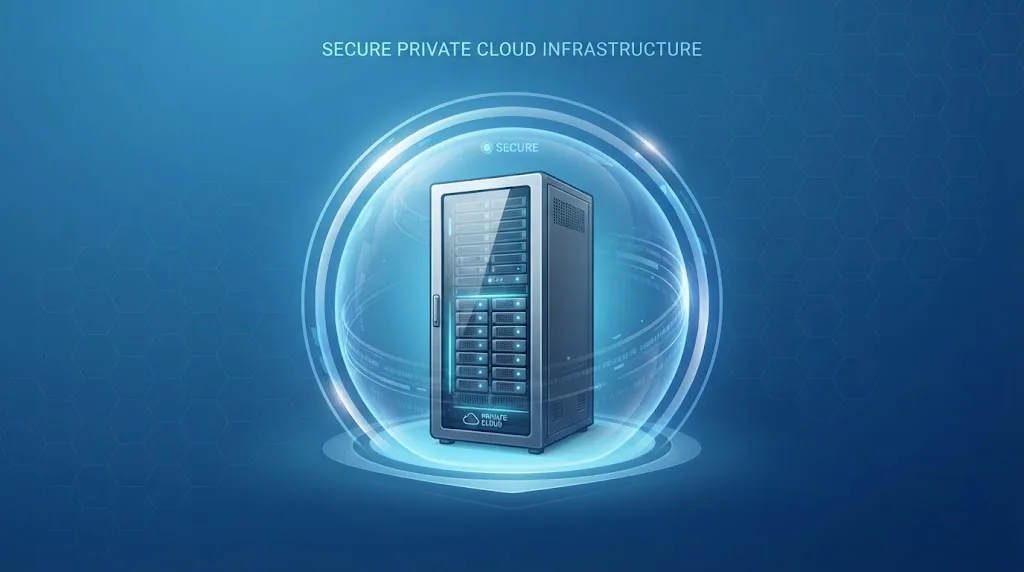
At its technical foundation, a private cloud refers to a dedicated cloud computing environment utilized exclusively by a single business or organization. Unlike multi-tenant public networks where computational resources are shared across thousands of distinct users, a private cloud ensures complete operational isolation. Whether hosted locally within corporate facilities or managed remotely by a specialized third-party vendor, the underlying hardware infrastructure serves only one master.

Private Versus Public: The Core Distinction

While public clouds offer broad, shared ecosystems provided by hyperscalers like AWS or Microsoft Azure, a private configuration eliminates multi-tenant risks. This singular focus grants system architects total autonomy over network topologies, security protocols, and software configurations.

Strategic Advantages of Private Cloud Deployments

Uncompromising Security and Granular Control

Security is the primary driver behind private cloud adoption. Because the hardware is isolated from outside entities, organizations can enforce rigid perimeter defenses, customized firewalls, advanced encryption standards, and strict role-based access control (RBAC) lists without interference.

Tailored Customization for Complex Workflows

Public platforms rely on standardized, pre-configured instance types. In contrast, a private cloud allows enterprises to engineer customized virtual environments, tailored storage tiers, and specialized networking fabrics designed to support complex, high-performance internal applications.

Seamless Regulatory Compliance and Data Privacy

Industries bound by strict regulatory frameworks—such as finance, healthcare, and government defense—must adhere to strict data residency and privacy mandates. Private architectures give administrators explicit control over where physical data resides, simplifying compliance audits for standards like GDPR, HIPAA, and SOC 2.

Taxonomy of Private Cloud Solutions

On-Premises Private Clouds

Hosted entirely within an organization’s physical data center, this approach delivers the absolute highest level of infrastructure control and data sovereignty, though it requires substantial upfront capital expenditure in dedicated technology and on-site maintenance personnel.

Hosted Private Clouds

Maintained within a third-party data center provider’s facility, hosted private solutions dedicate exclusive physical hardware to a single client, striking a balance between dedicated security and reduced facility overhead.

Fully Managed Private Clouds

In a managed deployment, an external partner oversees the entire lifecycle of the private cloud—ranging from routine software patching and hardware upkeep to threat monitoring—freeing internal IT teams to focus on core business growth.

Operational Architecture and Virtualization

Virtualization as the Engine

Virtualization technology powers the modern private cloud. By deploying powerful hypervisors across physical server clusters, organizations can partition hardware assets into dozens of independent virtual machines (VMs), optimizing resource utility while maintaining strict data boundaries.

Conclusion

The private cloud represents the gold standard for enterprises requiring maximum security, regulatory compliance, and architectural control. While it demands a more strategic financial commitment than public alternatives, its ability to safeguard critical digital assets while delivering flexible performance makes it an invaluable foundation for forward-thinking organizations.

media 6
media 6

Frequently Asked Questions (FAQs)

  1. What is the primary difference between private and public clouds?
    • A private cloud is dedicated exclusively to a single organization for maximum security and control, whereas a public cloud pools shared multi-tenant resources across many users.
  2. Is a private cloud more expensive than a public alternative?
    • Private clouds generally require a higher initial investment due to dedicated hardware requirements, but they offer predictable long-term cost controls for high-volume users.
  3. Can smaller businesses benefit from a private cloud?
    • While traditionally adopted by large enterprises, small businesses with strict data compliance or specialized security needs can leverage managed private cloud options.
  4. What are the core benefits of utilizing a private cloud?
    • Key benefits include enhanced data security, complete infrastructure customization, strict regulatory compliance, and isolated operational performance.
  5. How do organizations select the right private cloud provider?
    • Evaluation criteria should include compliance certifications, security architecture depth, migration support, service-level agreements (SLAs), and management flexibility.

Virtual Cloud

Virtual Cloud: Mastering the Evolution of Virtualized Digital Infrastructure

Cloud computing continues to evolve at a relentless pace, with virtual cloud infrastructure establishing itself as a foundational pillar for modern enterprise IT. Whether an organization aims to scale operations globally or an independent developer seeks agile development resources, virtual cloud solutions offer unmatched adaptability. By decoupling computing workloads from physical hardware limitations through advanced virtualization, this ecosystem transforms how companies store data, run software, and deploy applications.

This comprehensive guide explores the structural mechanics, operational models, security advantages, and practical applications of virtual cloud technology in today’s fast-moving digital economy.

Understanding Virtual Cloud Infrastructure

Defining the Virtual Cloud Concept

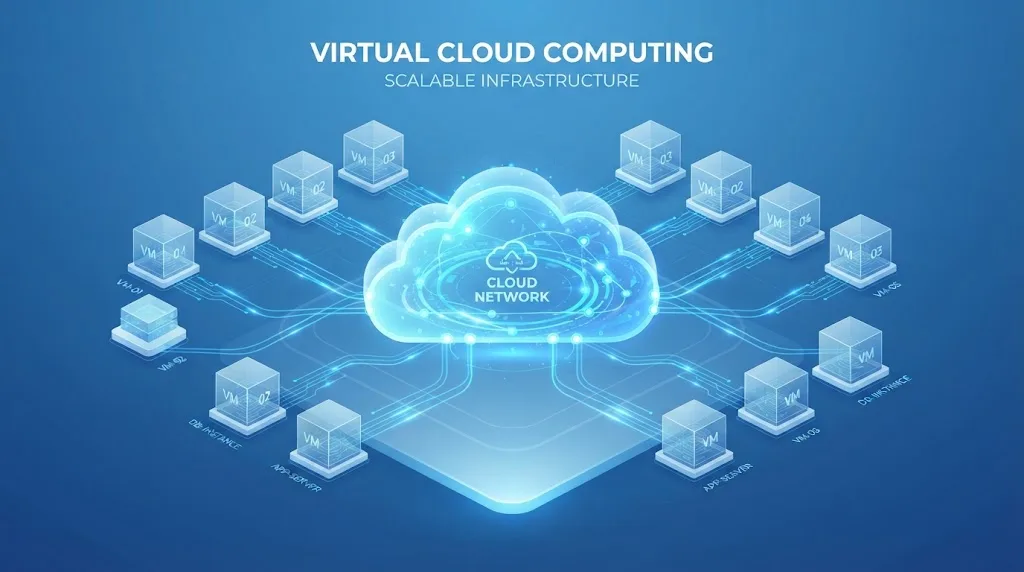
At its core, a virtual cloud refers to an operational computing environment built entirely upon virtualized computational assets—including virtual servers, scalable storage pools, and isolated networks. Unlike traditional IT setups bound to dedicated physical hardware, a virtual cloud abstracts the physical layer using hypervisors, creating dynamic virtual instances that maximize overall hardware efficiency.

How Virtualization Powers the Cloud

The operational mechanics rely on software abstraction. Virtual machines (VMs) function as independent, self-contained operating systems running concurrently on shared physical infrastructure. This isolation ensures that multiple distinct workloads execute on the same machine without interfering with each other’s performance or security parameters.

Strategic Advantages of Virtual Cloud Solutions

Unmatched Scalability and Agility

A primary driver behind virtual cloud adoption is frictionless elasticity. As organizational demands fluctuate, IT administrators can provision new virtual machines, allocate additional CPU cores, or expand storage capacity instantly without acquiring new physical hardware.

Optimized Cost-Effectiveness

By eliminating the heavy capital expenses associated with purchasing and housing physical servers, businesses transition to a predictable operational expenditure model. Shared resource allocation ensures that organizations pay exclusively for the precise computing capacity consumed.

Advanced Security and Disaster Redundancy

Virtual cloud environments integrate multi-layered security protocols, including encrypted data transmission, virtual firewalls, and strict access controls. Furthermore, automated backup replication ensures rapid disaster recovery and business continuity during unforeseen system anomalies.

Primary Categories of Virtual Cloud Deployments

Public Virtual Cloud Environments

Operated by third-party infrastructure giants, public virtual clouds pool multi-tenant resources to deliver affordable, highly scalable computing power accessible over the internet.

Private Virtual Cloud Frameworks

Dedicated exclusively to a single enterprise, private virtual clouds offer maximum privacy, strict compliance alignment, and granular control over computational resources.

Hybrid Virtual Cloud Strategies

By bridging public and private virtual frameworks, organizations can seamlessly shift non-critical tasks to public nodes while maintaining sensitive databases within secure private domains.

Transforming Enterprise Operations

Empowering Remote Workforce Collaboration

Virtual cloud infrastructure enables organizations to deploy virtual desktops and cloud-native applications, allowing globally distributed teams to access secure corporate resources from any location.

Accelerating Enterprise Application Performance

Complex software architectures—such as enterprise resource planning (ERP) platforms and customer relationship management (CRM) tools—run with exceptional speed and reliability when hosted on virtualized cloud clusters.

Conclusion

The virtual cloud represents a monumental leap forward in efficient digital infrastructure management. By delivering superior scalability, cost optimization, and robust data protection, it provides the ideal framework for modern enterprises seeking long-term resilience and technological leadership.

media 7
media 7

Frequently Asked Questions (FAQs)

  1. What is the primary difference between a virtual cloud and traditional cloud services?
    • Virtual clouds leverage advanced hypervisor virtualization to abstract physical hardware into independent, highly customizable virtual instances, offering greater flexibility.
  2. Is virtual cloud infrastructure secure for sensitive enterprise data?
    • Yes, providers utilize robust data encryption, secure access controls, virtual firewalls, and redundant backups to maintain high security standards.
  3. Are virtual cloud solutions suitable for growing small businesses?
    • Absolutely. Their pay-as-you-go pricing model and scalable architecture make virtual clouds an ideal, cost-effective choice for businesses of all sizes.
  4. What are the main benefits of adopting a private virtual cloud?
    • Private virtual clouds deliver enhanced resource control, strict regulatory compliance support, and isolated operational security for sensitive workloads.
  5. What criteria should guide the selection of a virtual cloud provider?
    • Key evaluation factors include platform reliability, security features, pricing transparency, global scalability, and technical customer support quality.

Backup Cloud

Backup Cloud: The Ultimate Strategic Defense for Enterprise Data Preservation

In the contemporary digital landscape, information represents one of the most critical assets an organization or individual can possess. As enterprises migrate sprawling archives, operational logs, and essential software configurations to online networks, guaranteeing absolute data protection has become paramount. Backup cloud services have emerged as the definitive defense mechanism against catastrophic data loss. Whether safeguarding confidential financial records, proprietary source code, or historical corporate databases, maintaining a robust, automated cloud backup ecosystem is no longer optional—it is a strict business necessity.

This comprehensive guide examines the technical anatomy, core benefits, operational frameworks, and strategic advantages of leveraging backup cloud infrastructure to protect digital assets.

What is a Backup Cloud?

Defining Cloud-Based Data Preservation

At its core, a backup cloud refers to specialized online storage architecture designed to house redundant copies of corporate and personal data on distributed remote servers. Managed by advanced cloud infrastructure providers, these systems ensure that critical files are securely archived, version-controlled, and instantly retrievable in the event of an operational disruption.

The Vulnerability of Local Infrastructure

Traditional data retention models—such as physical external hard drives, localized network-attached storage (NAS), and magnetic tapes—are highly susceptible to physical destruction, hardware failure, theft, and ransomware encryption. Cloud backups bypass these vulnerabilities by offloading data redundancy to secure off-site data centers.

Why Organizations Depend on Cloud Backups

Mitigating Unforeseen Data Loss Triggers

Data loss can strike without warning due to human administrative errors, malicious cyberattacks, or unexpected hardware crashes. Backup cloud frameworks establish an impenetrable safety net, ensuring that lost or corrupted files can be restored with minimal downtime.

Enterprise-Grade Reliability and Redundancy

Leading cloud backup platforms leverage multi-region data replication, ensuring that multiple identical copies of your information reside across geographically dispersed server nodes. If a primary regional hub suffers a catastrophic failure, secondary locations maintain uninterrupted data accessibility.

Core Architectural Mechanisms of Cloud Backup

Rigorous Data Encryption Standards

Security is the foundation of any reliable backup framework. Reputable providers enforce military-grade encryption standards (such as AES-256) to protect data both while it travels across public networks (in transit) and while it rests securely within cloud storage repositories (at rest).

Automated Versioning and Recovery Points

Advanced cloud backup solutions utilize incremental and differential backup methodologies combined with automated versioning. This allows administrators to roll back system states to clean, uncorrupted checkpoints preceding a ransomware attack or malicious file injection.

Strategic Benefits of Backup Cloud Deployment

Frictionless Scalability

As corporate data footprints expand exponentially, scaling local server hardware requires costly procurement cycles. Backup cloud solutions offer infinite elasticity, allowing organizations to scale storage capacity up or down seamlessly via automated software controls.

Financial Efficiency and Predictable Expenses

Eliminating physical backup media and dedicated off-site storage facilities reduces capital expenditure. Subscription-based, pay-as-you-go pricing models ensure organizations invest exclusively in the storage bandwidth they actively utilize.

Selecting the Ideal Backup Cloud Partner

Key Evaluation Criteria

When selecting a backup cloud service provider, IT decision-makers must evaluate critical factors including end-to-end encryption protocols, compliance certifications (such as GDPR, HIPAA, and SOC 2), recovery time objectives (RTO), and historical network uptime guarantees.

Industry-Leading Solutions

Global hyperscalers like Amazon Web Services (AWS), Google Cloud Storage, and Microsoft Azure provide robust, enterprise-grade cloud backup architectures capable of securing both small business workloads and massive corporate repositories.

Conclusion

Safeguarding enterprise data against evolving cyber threats and hardware anomalies is a vital mandate for modern continuity. Backup cloud services deliver a secure, highly scalable, and cost-effective methodology for preserving vital digital assets. Establishing a proactive cloud backup strategy today ensures long-term operational resilience and complete peace of mind.

media 8
media 8

Frequently Asked Questions (FAQs)

  1. What distinguishes general cloud storage from a dedicated backup cloud?
    • Cloud storage focuses on active file sharing and everyday collaboration, whereas a backup cloud specializes in automated data replication, versioning, and disaster recovery preservation.
  2. How secure are files stored within a backup cloud infrastructure?
    • They are highly secure; reputable providers employ advanced encryption protocols, multi-factor authentication, and strict access control lists to prevent unauthorized interception.
  3. Can backed-up data be retrieved from any remote location?
    • Yes, authorized personnel can securely access and restore backed-up files from any device equipped with an active internet connection and valid credentials.
  4. What is the recommended frequency for executing cloud backups?
    • Organizations should configure automated, continuous, or daily incremental backups to ensure zero data loss during mission-critical operations.
  5. How do cloud backups protect organizations against ransomware?
    • By maintaining isolated, immutable snapshot versions of data, organizations can restore clean system files unaffected by encryption malware.

Data Storage Cloud

Data Storage Cloud: The Ultimate Guide to Secure, Scalable Digital Vaults

In an era where global data generation expands exponentially every second, efficient data management has become a critical operational challenge. Whether an individual archiving extensive media libraries or a multinational enterprise handling terabytes of mission-critical customer records, traditional local storage mechanisms are increasingly inadequate. Enter the data storage cloud—a transformative technology that provides secure, elastic, and highly accessible digital archives for users across all sectors. This comprehensive guide explores the structural anatomy, operational models, security protocols, and future trajectory of modern cloud storage systems.

Understanding the mechanics of data storage cloud infrastructure is essential for organizations aiming to optimize information flow, minimize hardware overhead, and ensure absolute data integrity.

What is Data Storage Cloud?

Defining Remote Cloud Archives

At its foundational level, a data storage cloud comprises online storage architectures that empower users to deposit, manage, and retrieve digital assets remotely via internet networks. Rather than depending on physical hard drives, local network-attached storage (NAS), or on-premise servers, information is housed within distributed off-site data centers administered by specialized third-party cloud providers. This abstraction layer grants users unprecedented flexibility, infinite scalability, and multi-region reliability.

Strategic Advantages of Cloud Storage Ecosystems

Frictionless Scalability and Agility

The primary driver behind cloud storage adoption is its elasticity. As storage volumes expand, organizations can seamlessly upgrade their capacity limits through automated software dashboards, completely bypassing the procurement and installation cycles associated with physical server upgrades.

Cost-Effective Resource Allocation

Operating primarily on a pay-as-you-go financial model, cloud storage eliminates heavy upfront capital investments. Businesses pay solely for the exact gigabytes or terabytes consumed, eradicating the hidden expenses of physical data center maintenance, hardware cooling, and manual maintenance.

Taxonomy of Data Storage Cloud Solutions

Public Cloud-Based Storage Platforms

Public storage services—exemplified by platforms like Google Drive, Dropbox, and Microsoft OneDrive—pool multi-tenant resources to deliver cost-effective, user-friendly file repositories accessible from any global device.

Dedicated Private Cloud Storage

Private storage architectures isolate infrastructure entirely for a single organization, providing absolute privacy and rigorous compliance alignment for sensitive legal, financial, or medical datasets.

Hybrid Storage Models

Hybrid solutions bridge public and private repositories, allowing sensitive workloads to remain isolated on private clusters while high-volume, non-sensitive assets leverage public cloud scalability.

Core Architectural Mechanisms

Distributed Data Redundancy

Cloud storage systems achieve high durability by breaking large files into encrypted data packets and distributing them across multiple geographically separated server nodes. If a primary server encounters a failure, redundant network paths ensure instantaneous file accessibility.

Rigorous Data Encryption

Security protocols protect information throughout its lifecycle. Leading providers enforce robust encryption algorithms (such as AES-256) for data at rest within storage buckets, alongside secure TLS/SSL protocols for data in transit across public networks.

Conclusion

The data storage cloud has fundamentally revolutionized how modern society archives, manages, and retrieves digital information. By offering unmatched scalability, strict security frameworks, and universal accessibility, it replaces outdated physical storage models with a robust, efficient digital foundation. Embracing cloud storage solutions ensures long-term operational resilience and uncompromised data safety in an increasingly digital world.

media 9
media 9

Frequently Asked Questions (FAQs)

  1. What is the primary difference between data storage cloud and traditional local storage?
    • Cloud storage allows remote online management and retrieval over the internet, whereas traditional storage relies entirely on physical local devices like hard drives or on-premise servers.
  2. How secure is sensitive data when stored within cloud repositories?
    • Highly secure; reputable providers deploy military-grade encryption, strict multi-factor authentication, and automated threat monitoring to prevent unauthorized access.
  3. Can cloud storage handle extremely large files and enterprise datasets?
    • Yes, cloud providers offer virtually limitless scalability, easily accommodating massive workloads ranging from high-definition video libraries to petabyte-scale corporate databases.
  4. What financial model do cloud storage providers typically use?
    • Most platforms operate on a flexible pay-as-you-go subscription model, ensuring users pay exclusively for the storage capacity they actively utilize.
  5. How do organizations select the right cloud storage provider?
    • Key evaluation metrics include security certifications, pricing transparency, data retrieval speeds, customer support availability, and seamless scalability options.