
Backup Cloud: The Ultimate Strategic Defense for Enterprise Data Preservation
In the contemporary digital landscape, information represents one of the most critical assets an organization or individual can possess. As enterprises migrate sprawling archives, operational logs, and essential software configurations to online networks, guaranteeing absolute data protection has become paramount. Backup cloud services have emerged as the definitive defense mechanism against catastrophic data loss. Whether safeguarding confidential financial records, proprietary source code, or historical corporate databases, maintaining a robust, automated cloud backup ecosystem is no longer optional—it is a strict business necessity.
This comprehensive guide examines the technical anatomy, core benefits, operational frameworks, and strategic advantages of leveraging backup cloud infrastructure to protect digital assets.
What is a Backup Cloud?
Defining Cloud-Based Data Preservation
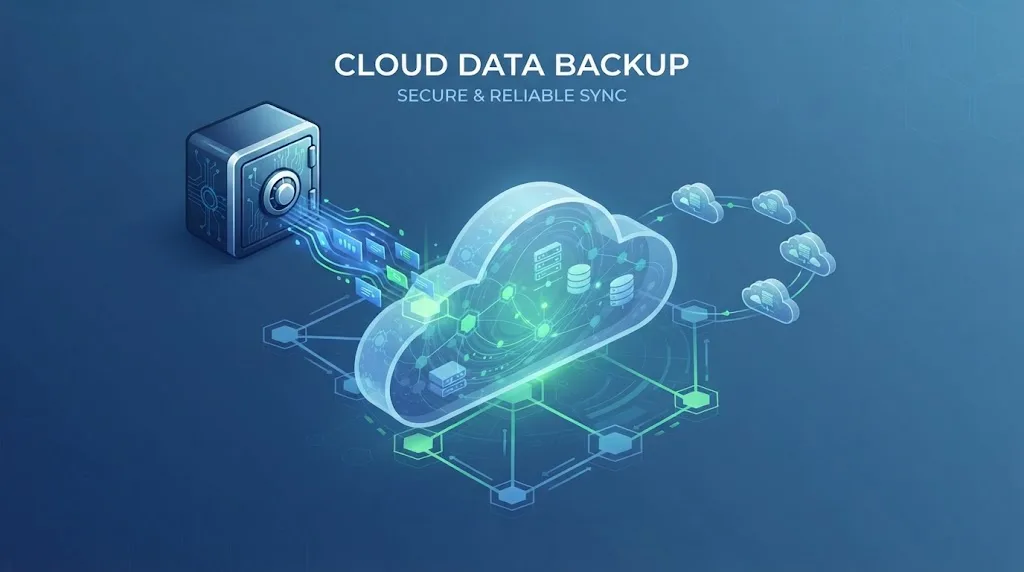
At its core, a backup cloud refers to specialized online storage architecture designed to house redundant copies of corporate and personal data on distributed remote servers. Managed by advanced cloud infrastructure providers, these systems ensure that critical files are securely archived, version-controlled, and instantly retrievable in the event of an operational disruption.
The Vulnerability of Local Infrastructure
Traditional data retention models—such as physical external hard drives, localized network-attached storage (NAS), and magnetic tapes—are highly susceptible to physical destruction, hardware failure, theft, and ransomware encryption. Cloud backups bypass these vulnerabilities by offloading data redundancy to secure off-site data centers.
Why Organizations Depend on Cloud Backups
Mitigating Unforeseen Data Loss Triggers
Data loss can strike without warning due to human administrative errors, malicious cyberattacks, or unexpected hardware crashes. Backup cloud frameworks establish an impenetrable safety net, ensuring that lost or corrupted files can be restored with minimal downtime.
Enterprise-Grade Reliability and Redundancy
Leading cloud backup platforms leverage multi-region data replication, ensuring that multiple identical copies of your information reside across geographically dispersed server nodes. If a primary regional hub suffers a catastrophic failure, secondary locations maintain uninterrupted data accessibility.
Core Architectural Mechanisms of Cloud Backup
Rigorous Data Encryption Standards
Security is the foundation of any reliable backup framework. Reputable providers enforce military-grade encryption standards (such as AES-256) to protect data both while it travels across public networks (in transit) and while it rests securely within cloud storage repositories (at rest).
Automated Versioning and Recovery Points
Advanced cloud backup solutions utilize incremental and differential backup methodologies combined with automated versioning. This allows administrators to roll back system states to clean, uncorrupted checkpoints preceding a ransomware attack or malicious file injection.
Strategic Benefits of Backup Cloud Deployment
Frictionless Scalability
As corporate data footprints expand exponentially, scaling local server hardware requires costly procurement cycles. Backup cloud solutions offer infinite elasticity, allowing organizations to scale storage capacity up or down seamlessly via automated software controls.
Financial Efficiency and Predictable Expenses
Eliminating physical backup media and dedicated off-site storage facilities reduces capital expenditure. Subscription-based, pay-as-you-go pricing models ensure organizations invest exclusively in the storage bandwidth they actively utilize.
Selecting the Ideal Backup Cloud Partner
Key Evaluation Criteria
When selecting a backup cloud service provider, IT decision-makers must evaluate critical factors including end-to-end encryption protocols, compliance certifications (such as GDPR, HIPAA, and SOC 2), recovery time objectives (RTO), and historical network uptime guarantees.
Industry-Leading Solutions
Global hyperscalers like Amazon Web Services (AWS), Google Cloud Storage, and Microsoft Azure provide robust, enterprise-grade cloud backup architectures capable of securing both small business workloads and massive corporate repositories.
Conclusion
Safeguarding enterprise data against evolving cyber threats and hardware anomalies is a vital mandate for modern continuity. Backup cloud services deliver a secure, highly scalable, and cost-effective methodology for preserving vital digital assets. Establishing a proactive cloud backup strategy today ensures long-term operational resilience and complete peace of mind.
Frequently Asked Questions (FAQs)
- What distinguishes general cloud storage from a dedicated backup cloud?
- Cloud storage focuses on active file sharing and everyday collaboration, whereas a backup cloud specializes in automated data replication, versioning, and disaster recovery preservation.
- How secure are files stored within a backup cloud infrastructure?
- They are highly secure; reputable providers employ advanced encryption protocols, multi-factor authentication, and strict access control lists to prevent unauthorized interception.
- Can backed-up data be retrieved from any remote location?
- Yes, authorized personnel can securely access and restore backed-up files from any device equipped with an active internet connection and valid credentials.
- What is the recommended frequency for executing cloud backups?
- Organizations should configure automated, continuous, or daily incremental backups to ensure zero data loss during mission-critical operations.
- How do cloud backups protect organizations against ransomware?
- By maintaining isolated, immutable snapshot versions of data, organizations can restore clean system files unaffected by encryption malware.