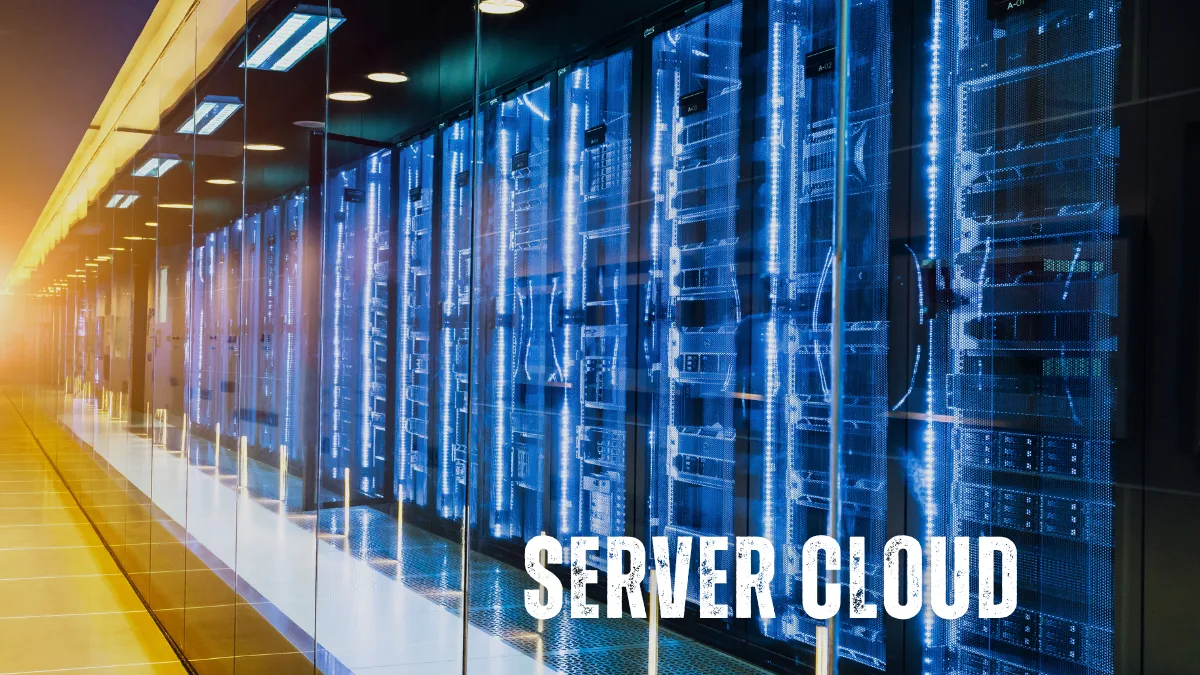
Server Cloud: The Ultimate Blueprint for Scalable Virtual Infrastructure
The global computing landscape has undergone a profound paradigm shift, migrating away from rigid, expensive physical hardware towards agile and responsive digital environments. At the center of this structural evolution sits the server cloud, a transformative technology enabling enterprises and independent creators to provision, configure, and manage virtualized server nodes entirely over the internet. Eliminating the maintenance burdens of on-premises hardware, server cloud architectures empower organizations to scale operations dynamically, optimize expenditure, and ensure maximum application uptime.
This comprehensive guide explores the mechanics, structural variants, core capabilities, and strategic advantages of server cloud infrastructure in today’s fast-paced digital ecosystem.
Introduction to Server Cloud
Defining Server Cloud Infrastructure
At its technical foundation, a server cloud delivers scalable, on-demand computational capacity via internet-hosted virtual environments. Rather than acquiring, housing, and continually upgrading physical servers, organizations rent isolated virtual machines through specialized cloud service providers. These virtualized instances replicate the exact performance capabilities of dedicated hardware while adding unmatched flexibility and speed of deployment.
Why Modern Enterprises Bypass Traditional Servers
Legacy server architecture demands heavy capital outlays for hardware purchases, continuous cooling infrastructure, physical real estate, and specialized on-site IT personnel. In contrast, server cloud platforms operate on an agile financial model. Businesses eliminate physical upkeep headaches, deploying new server resources instantly through automated software dashboards.
Core Benefits of Server Cloud Deployment
Dynamic Scalability and Operational Agility
A primary driver for adopting server cloud models is frictionless scalability. When traffic spikes or computational demands surge, organizations can allocate additional processor cores or memory assets with just a few clicks, preventing performance degradation.
Extreme Cost-Effectiveness
Moving from capital expenditure (CapEx) to operational expenditure (OpEx) models ensures businesses only pay for the precise resources consumed. This pay-as-you-go financial structure protects startups and established enterprises alike from over-provisioning waste.
High Availability and Disaster Resilience
Enterprise-grade server cloud solutions integrate multi-region redundancies and failover protocols. If a physical node encounters a hardware fault, virtual instances automatically migrate to healthy clusters, guaranteeing continuous service availability.
Primary Categories of Server Clouds
Public Server Clouds
Hosted and maintained by industry giants such as Amazon Web Services, Microsoft Azure, and Google Cloud, public instances pool multi-tenant hardware assets to provide exceptional cost-efficiency and rapid scalability.
Private Server Environments
Dedicated exclusively to a single organization, private server setups offer rigorous security isolation and complete configuration control. They are heavily favored by entities bound by strict compliance frameworks, such as financial institutions.
Hybrid Server Configurations
Hybrid solutions bridge public and private networks, allowing sensitive databases to remain secure on private hardware while transient web workloads scale seamlessly across public cloud clusters.
Essential Features of Advanced Server Clouds
Advanced Server Virtualization
Virtualization technology acts as the core engine behind cloud servers, allowing hypervisors to run multiple independent operating system environments concurrently on a single physical machine, maximizing hardware utilization.
Complete Remote Management Control
Administrators manage entire server fleets remotely via intuitive web-based consoles or programmatic APIs. Real-time health metrics, automated performance logging, and instantaneous debugging tools simplify infrastructure oversight.
Multi-Layered Security Protocols
To defend against external threats, server cloud providers implement end-to-end data encryption, customizable perimeter firewalls, role-based access controls, and mandatory multi-factor authentication (MFA).
Primary Use Cases for Server Clouds
High-Performance Web and Application Hosting
Server clouds provide the resilient processing power required to host mission-critical websites and complex web applications, scaling instantly to absorb unexpected traffic surges.
Automated Backup and Disaster Recovery
By leveraging cloud infrastructure for backup replication, organizations ensure that critical system images and database snapshots remain safe from local hardware failures or malicious ransomware attacks.
Conclusion
The server cloud has cemented its place as an indispensable pillar of modern IT infrastructure. By delivering superior scalability, cost efficiency, and automated reliability, it frees businesses from the logistical constraints of physical hardware management. Selecting the right cloud model and provider ensures long-term operational resilience in a competitive digital landscape.

Frequently Asked Questions (FAQs)
- What is the primary advantage of utilizing a server cloud?
- The foremost advantages include instant scalability, reduced hardware expenditure, and the elimination of physical maintenance burdens.
- What deployment models exist for cloud servers?
- Cloud servers are typically categorized into public, private, and hybrid models, balancing cost, control, and security differently.
- How does virtualization operate within a server cloud?
- Virtualization utilizes hypervisors to partition physical hardware into multiple isolated virtual servers, optimizing resource efficiency.
- Are cloud servers safer than physical on-premise hardware?
- They feature advanced built-in security architecture, though maintaining overall data protection still requires diligent configuration and access management.
- What criteria matter most when selecting a server cloud provider?
- Key criteria include uptime guarantees, network speed, security compliance certifications, pricing flexibility, and technical support quality.